Nemzeti jelképek National Symbols
Magyarország kiemelkedően fontos nemzeti jelképei Hungary's national symbols of outstanding importance
- Zászló Flag
- Magyarország címere Coat of Arms of Hungary
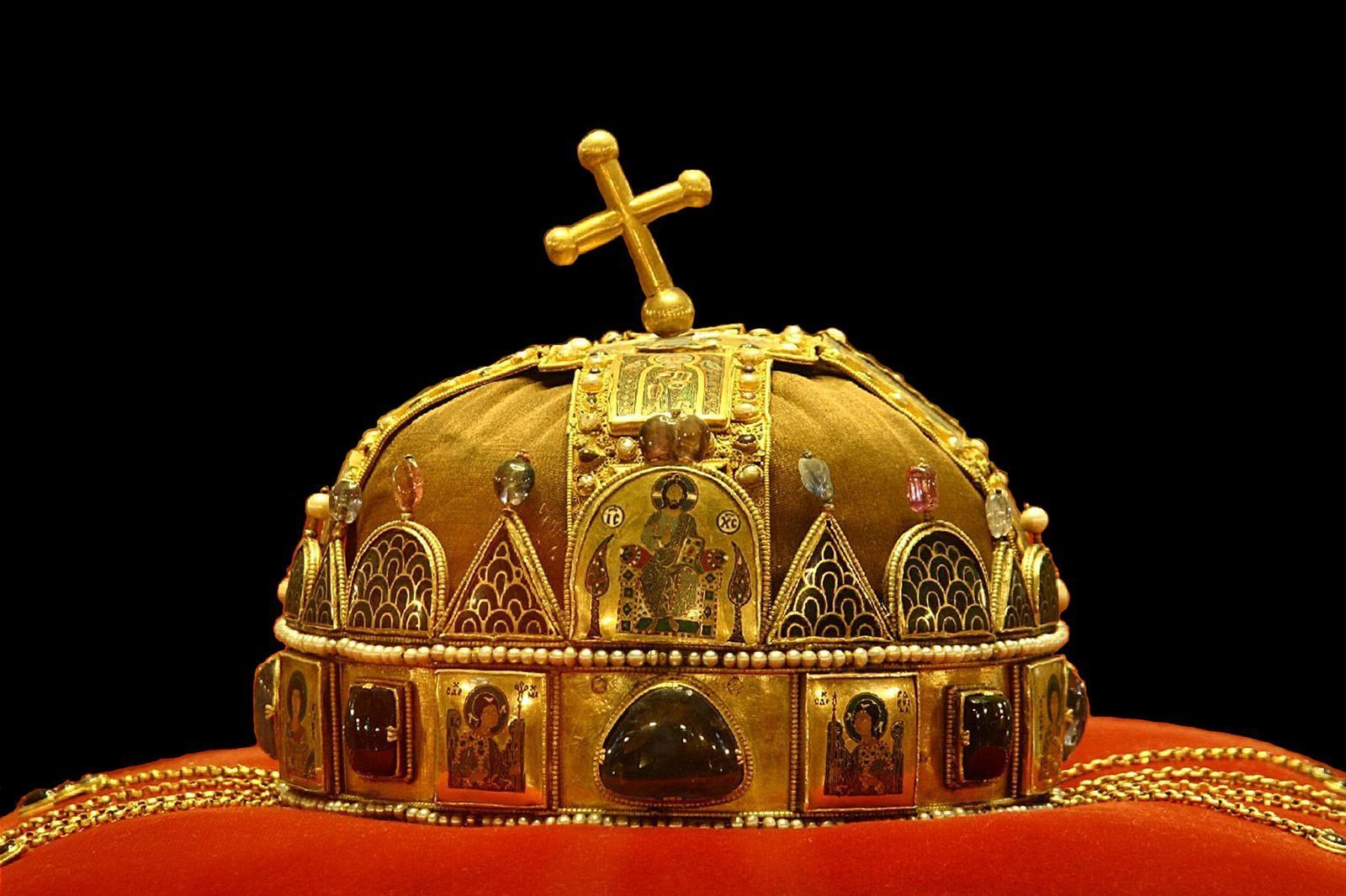
- Szent Korona Holy Crown
- Himnusz Anthem
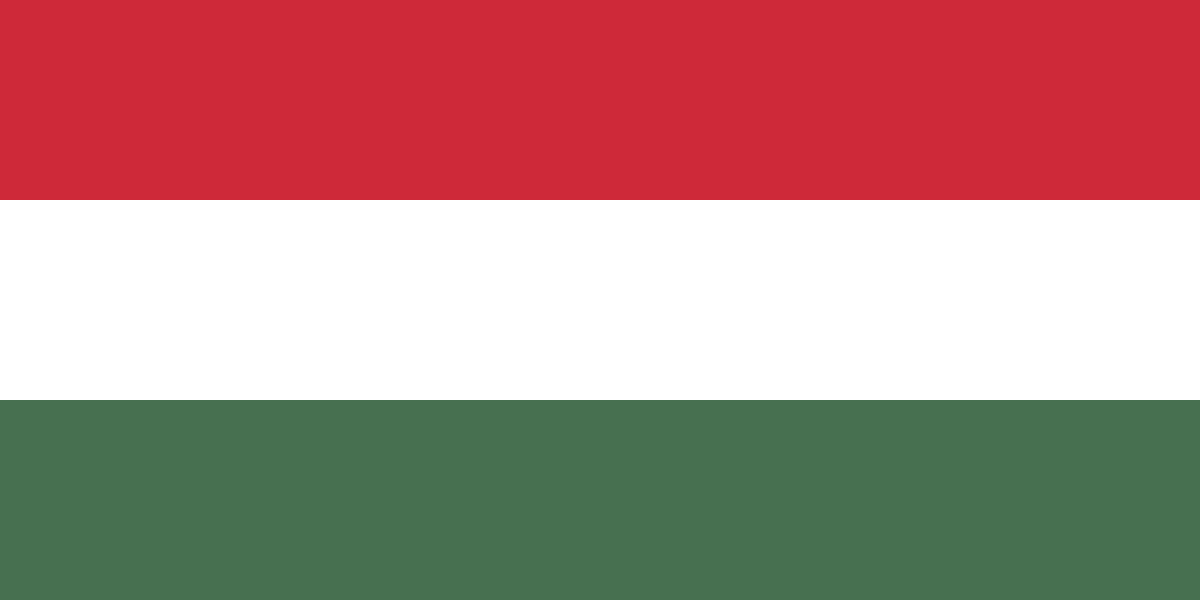
Magyarország zászlaja (lobogója) The Flag (Banner) of Hungary
Az egyes színekhez az alábbi jelentések társulnak: The following meanings are attached to the individual colours:
- a piros sáv az „erő” the red band: "strength"
- a fehér a „hűség” the white: "fidelity"
- a zöld a „remény” the green: "hope"
A zászló három egyenlő, vízszintes sávból áll: felül a piros, középen a fehér, alul a zöld. The flag consists of three equal horizontal bands: red at the top, white in the middle and green at the bottom.
Nemzeti ünnepeinken az Országház előtt ünnepélyes keretek között vonják fel az ország lobogóját. On national holidays the country's banner is hoisted with ceremony in front of the Parliament building.
 Picture [1]
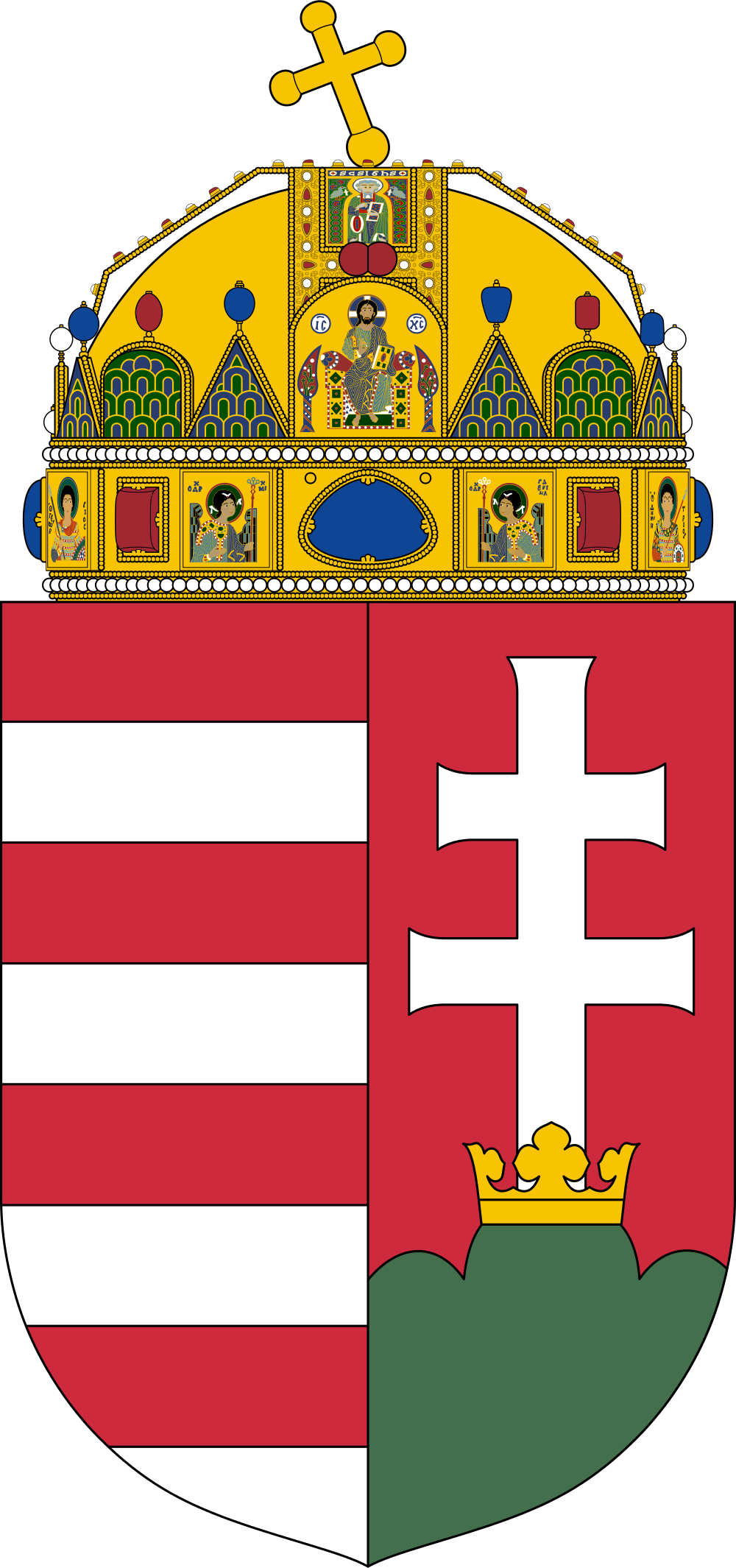
Magyarország címere Coat of Arms of Hungary
Az alábbi ábrán az ország címere teljes formájában látható. The illustration below shows the country's coat of arms in its complete form.
 Picture [2]
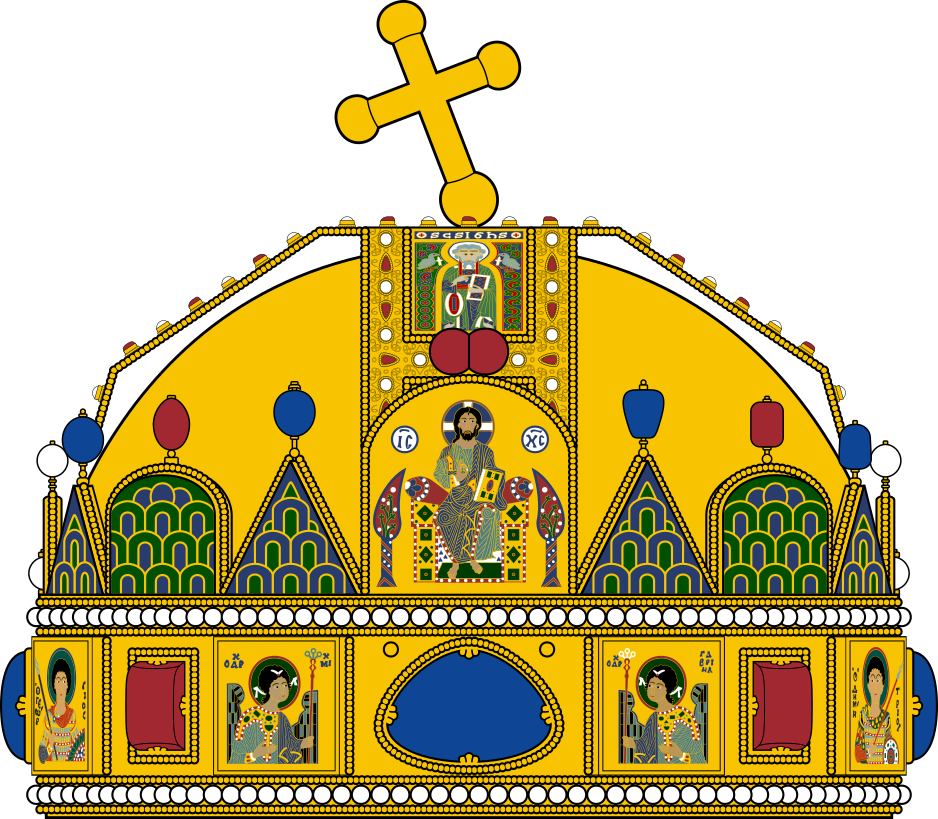
A címer felső eleme The uppermost element of the coat of arms
A pajzs fölött a Szent Korona helyezkedik el. The Holy Crown rests above the shield.
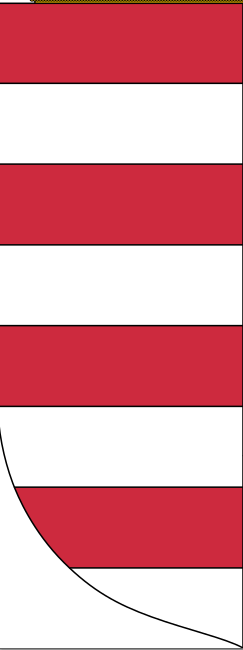
A címerpajzs bal oldali mezője The left-hand field of the shield
Hétszer vágott mező, vörös és ezüst színek váltakozásával. A field divided seven times, alternating between red and silver.
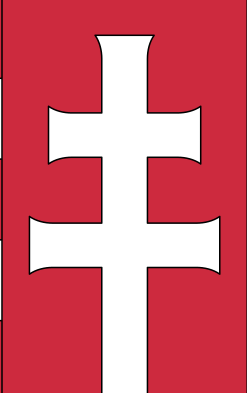
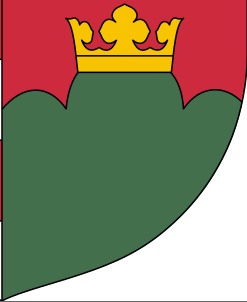
A címerpajzs jobb oldali mezője The right-hand field of the shield
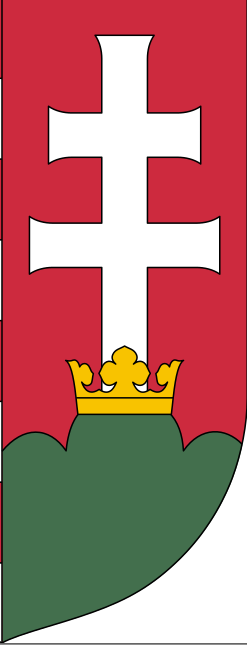
Kettős kereszt Double cross
Hármas halom a koronával Triple mound with the crown
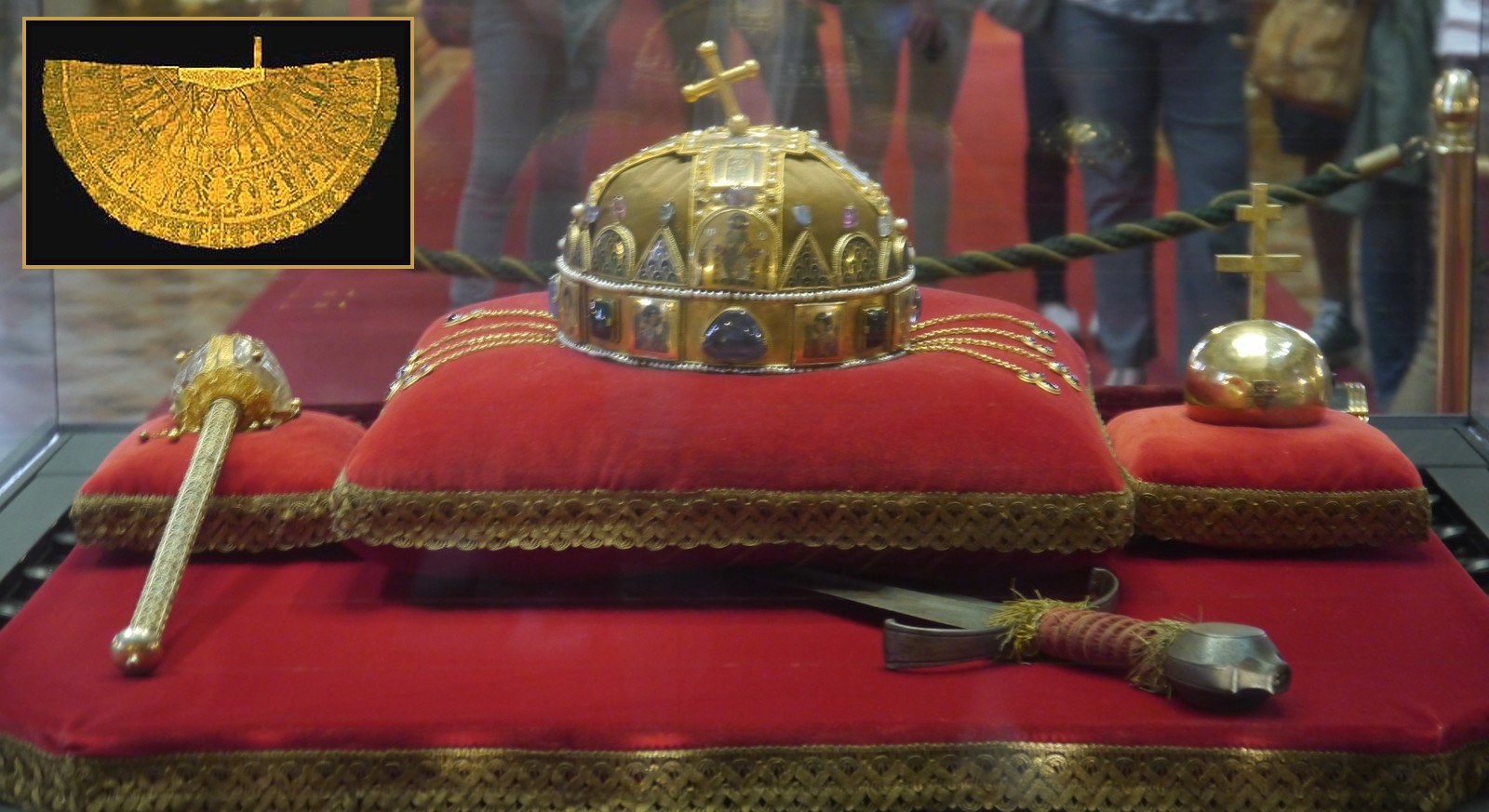
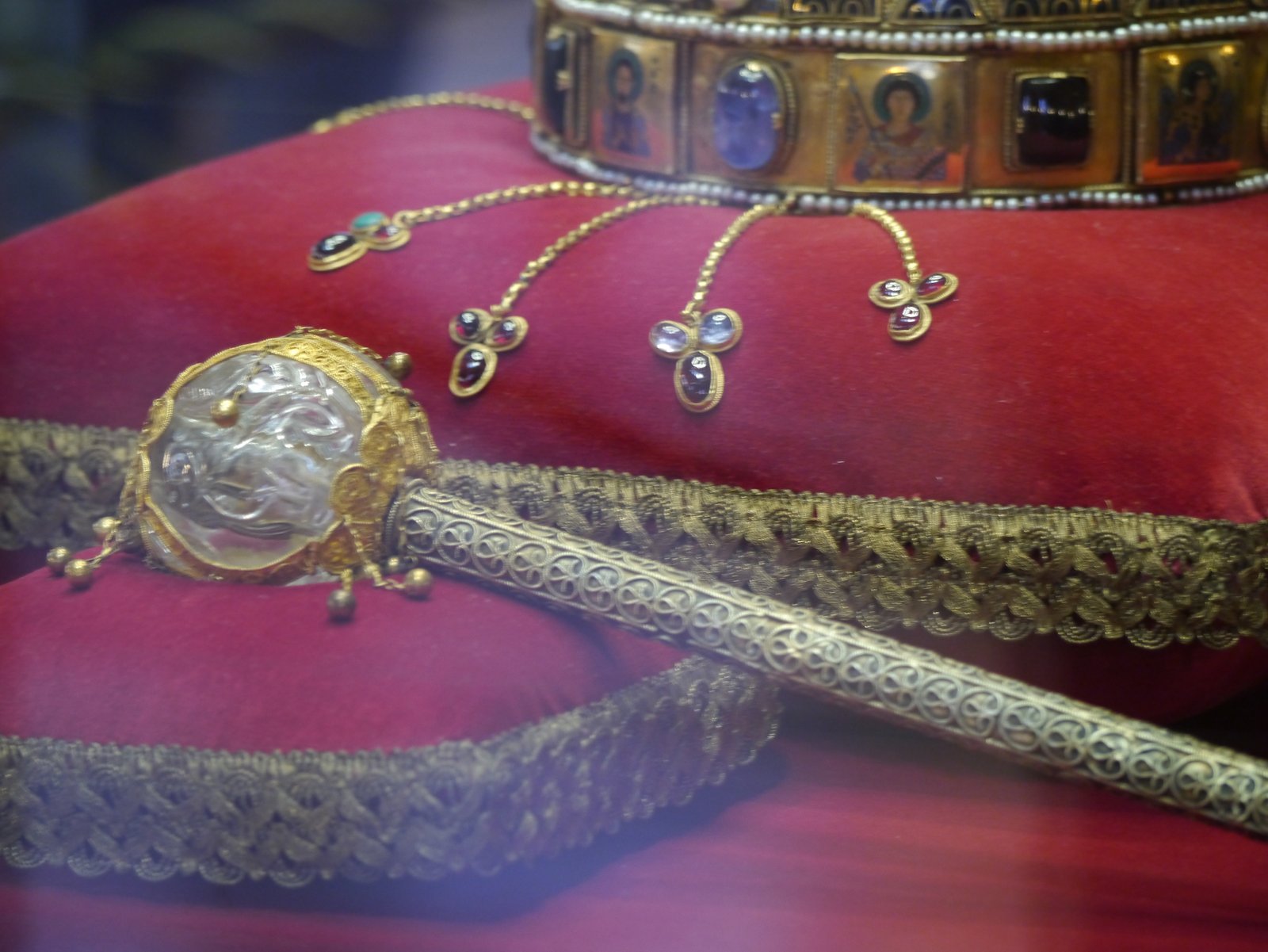
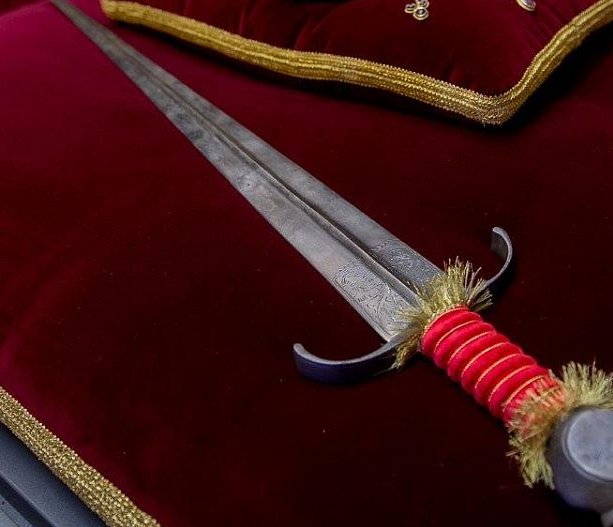
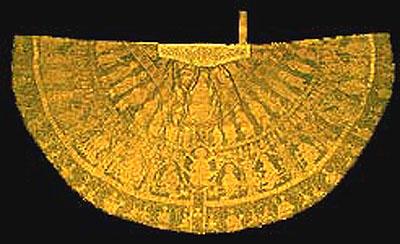
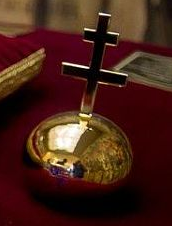
Koronázási jelvények Coronation Regalia
A királyi hatalom hajdani jelvényei, amelyek ma nemzeti jelképeink részét képezik. A Szent Koronát az Országház épületében őrzik, ott tekinthető meg. The former insignia of royal power, which today form part of the national symbols. The Holy Crown is kept in the Parliament building, where it may be viewed.
 Picture [3]
Szent Korona Holy Crown
Koronázási jogar Coronation Scepter
Koronázási kard Coronation Sword
Koronázási palást Coronation Mantle
Országalma Orb
Koronázási városok Coronation Cities
A magyar uralkodók koronázásának egykori helyszínei: The one-time venues of the coronation of Hungarian monarchs:
- Buda Buda
- Esztergom Esztergom
- Pozsony Pozsony (Bratislava)
- Sopron Sopron
- Székesfehérvár Székesfehérvár
 Video [1]
Idézet Magyarország Alaptörvényéből: „Tiszteletben tartjuk történeti alkotmányunk vívmányait és a Szent Koronát, amely megtestesíti Magyarország alkotmányos állami folytonosságát és a nemzet egységét.” A passage from Hungary's Fundamental Law: "We respect the achievements of our historical constitution and the Holy Crown, which embodies the constitutional continuity of Hungary and the unity of the nation."
Magyarország himnusza National Anthem of Hungary
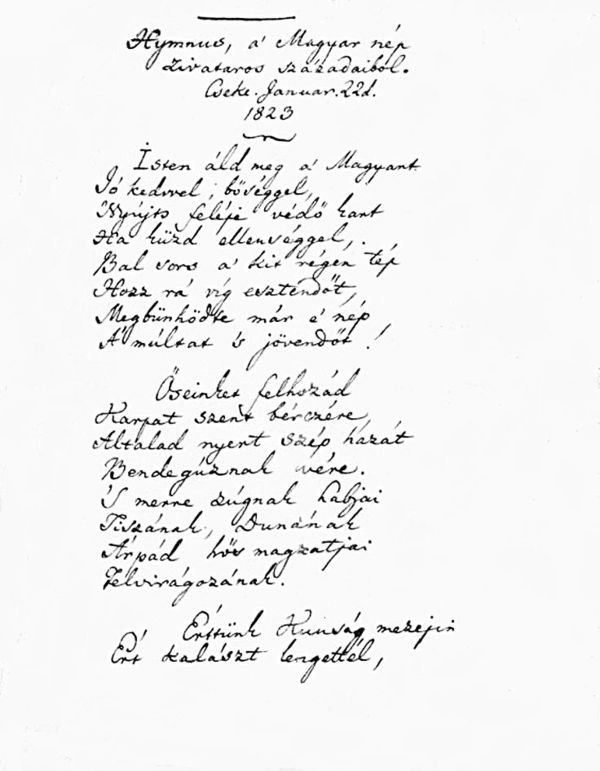
A költemény Kölcsey Ferenc műve, 1823-ban keletkezett. The poem is the work of Ferenc Kölcsey and dates from 1823.
Zenéjét Erkel Ferenc szerezte. Its music was composed by Ferenc Erkel.
„Isten áld meg a Magyart Jó kedvvel, bőséggel, Nyújts feléje védő kart, Ha küzd ellenséggel,. Bal sors akit régen tép, Hozz rá víg esztendőt, Megbünhödte már e nép A múltat s jövendőt!” "God bless the Hungarians With joy and abundance, Extend towards them a protecting arm When they fight with enemies. The fate who for so long has torn them Bring upon them a joyous year, This nation has already atoned for The past and the future!"
 Picture [4]
Szózat Pledge
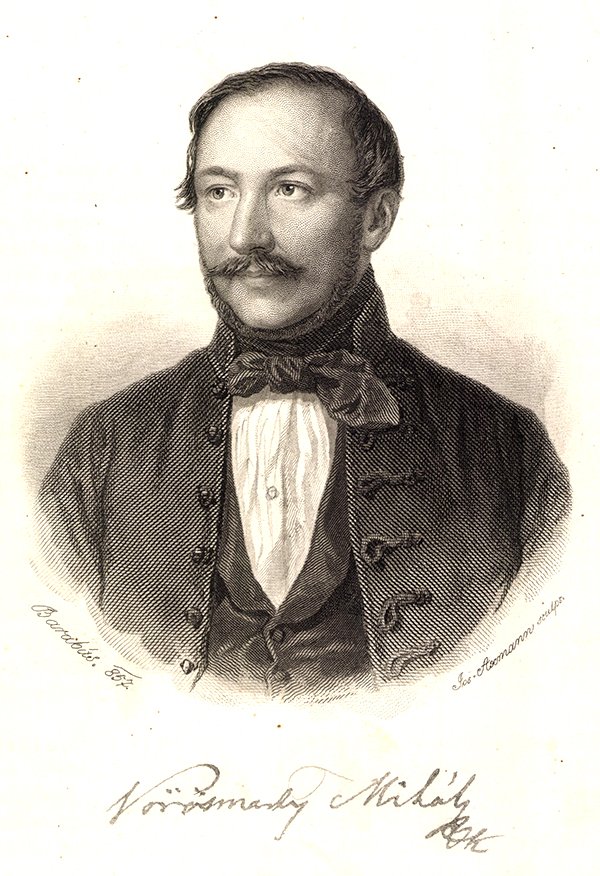
A verset Vörösmarty Mihály szerezte 1836-ban. Megzenésítése Egressy Béni nevéhez fűződik. Nemzeti ünnepeinken a Himnusszal együtt gyakran csendül fel. The poem was composed by Mihály Vörösmarty in 1836. Its setting to music is owed to Béni Egressy. On national holidays it is frequently performed together with the Anthem.
„Hazádnak rendületlenűl Légy híve, oh magyar; Bölcsőd az s majdan sírod is, Mely ápol s eltakar. A nagy világon e kivűl Nincsen számodra hely; Áldjon vagy verjen sors keze; Itt élned, halnod kell.” "Be steadfast to your homeland, Oh Hungarian; its cradle and your grave, Which nurtures and will cover you. Beyond this great world There is no place for you; May the hand of fate bless or strike you; Here you must live, here you must die."
 Picture [5]
Nemzeti ünnepek National Holidays
- Március 15. – az 1848-49-es forradalom és szabadságharc emléknapja March 15 – the commemorative day of the 1848-49 revolution and war of independence
- Augusztus 20. – az államalapítás, illetve az államalapító Szent István király emléknapja August 20 – the commemorative day of the founding of the state and of its founder, King Saint Stephen
- Október 23. – az 1956. évi forradalom és szabadságharc emléknapja October 23 – the commemorative day of the 1956 revolution and war of independence